Oral Films vs Capsules: A Practical Development Comparison
What does the ingredient need?
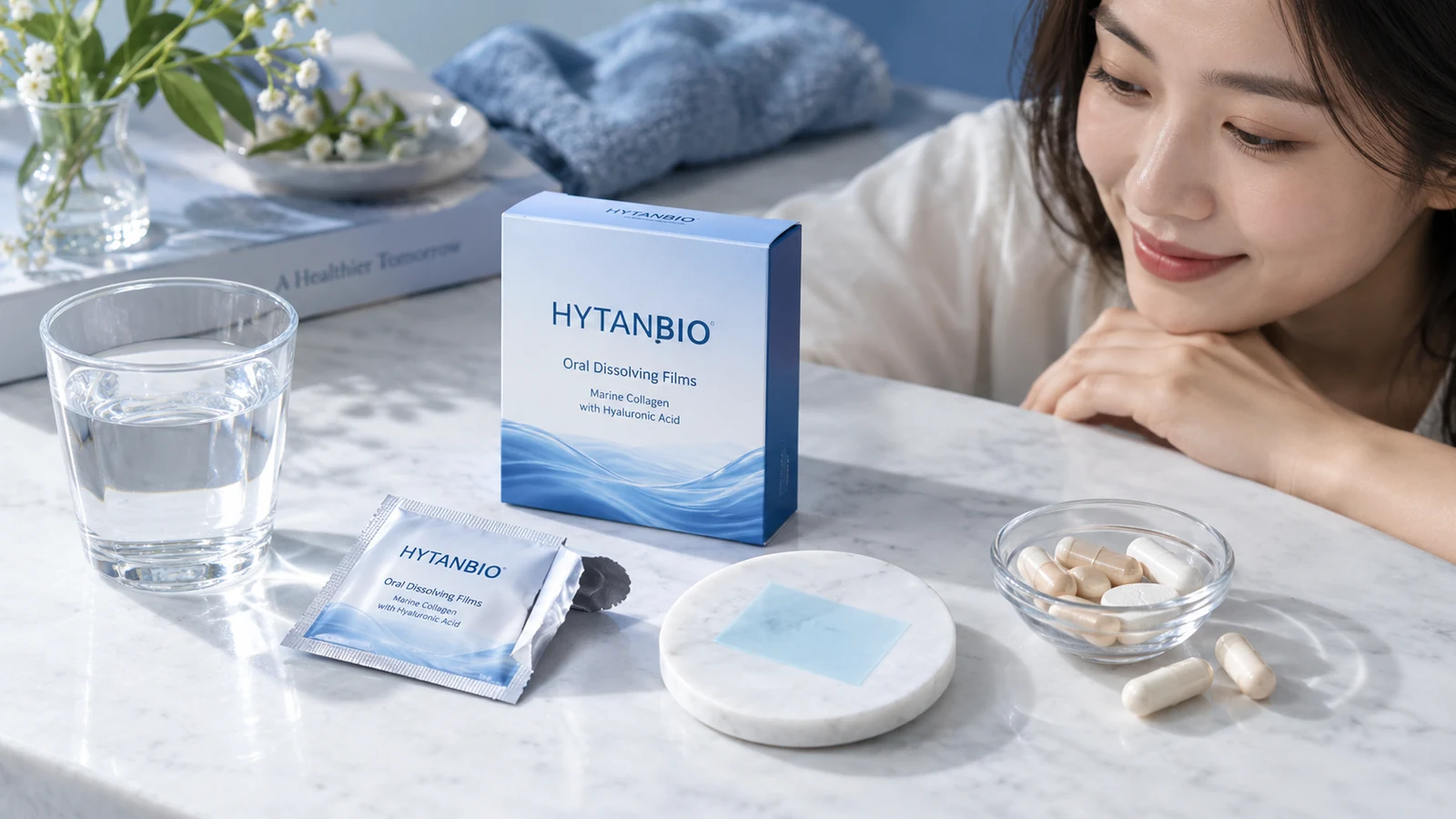
Oral films vs capsules is a useful comparison when a brand wants a distinctive portable format. A capsule can hold materials that would be difficult to disperse or taste-mask in a film. A film places its matrix and ingredients directly into the oral experience.
Start with ingredient amount, solubility, particle size, taste and stability. These factors are more useful than an assumption that a thinner product automatically performs better.
Uniformity remains essential
A defined unit must meet its agreed content specification. The analytical and process-control approach depends on the ingredient and format. Low-level actives in films need attention to distribution and testing; a capsule also needs a suitable finished-unit control plan.
Ask for the method and acceptance criteria that will be used for the finished product. A general quality certificate does not answer the question of active uniformity in your particular unit.
Sensory and stability tradeoffs
A film’s taste, texture and mechanical strength interact with the formula. A capsule can reduce immediate taste exposure but has its own swallowing and shell considerations. Each needs storage and use instructions appropriate to the actual product.
Evaluate stability in the intended pack. Moisture protection is especially relevant for films, while oxygen, light and other factors can also influence the selected actives.
How to reach a decision
Why use oral dissolving films may be answered by a clear brand and convenience objective. If that objective conflicts with the intended ingredient intake, the project needs a revised brief or a different format.
Compare prototypes, documentation and total manufacturing requirements. A fair assessment includes development cost, packing, testing, label review and the practical experience of the finished unit.
Related project resources
Explore the oral film product portfolio · Review OEM, ODM, CRO and CDMO options · Request a sample evaluation brief